Overview
Stayromax EPS Geofoam is a high-performance, ultra-lightweight engineered fill solution manufactured in Dammam, Saudi Arabia.
With a density of approximately 1% of conventional soil, Stayromax Geofoam significantly reduces vertical and lateral loads on foundations and surrounding structures, making it an effective solution for challenging ground conditions.
Unlike traditional fill materials, EPS Geofoam is not a general soil replacement, but a purpose-engineered material designed to address complex geotechnical requirements such as settlement control, slope stabilization, and load reduction. Its molded bead manufacturing process allows precise control of compressive strength, density, and block dimensions, ensuring consistent performance and design flexibility.
Stayromax EPS Geofoam is widely used in infrastructure, landscaping, and structural applications, supporting projects across the Kingdom of Saudi Arabia and international markets.
Standards & Compliance
Stayromax EPS Geofoam is manufactured in accordance with ASTM International standards, primarily ASTM D6817, which defines the minimum physical and mechanical properties required for rigid cellular polystyrene geofoam used in geotechnical applications.
Compliance with ASTM D6817 ensures consistent quality, reliable performance, and suitability for use in demanding engineering and infrastructure projects.
Applications & Use
EPS geofoam is a highly versatile material, making it suitable for a wide range of geotechnical and construction applications. Its lightweight nature offers key advantages in projects involving soft ground, slope stabilization, and retaining walls. EPS geofoam has been successfully used beneath roads, airfields, and railway tracks, as well as under refrigerated buildings, sports arenas, and storage tanks to prevent ground freezing and heaving. It also helps regulate seasonal temperature shifts in below-ground structures, reducing heating and cooling demands.
With its unique combination of strength and flexibility, EPS geofoam empowers engineers, architects, and builders to address critical geosynthetic functions and tailor solutions to specific project needs. Beyond structural support, it provides innovative benefits such as earthquake shock absorption, noise insulation, and vibration control—making it a smart choice for modern infrastructure challenges.
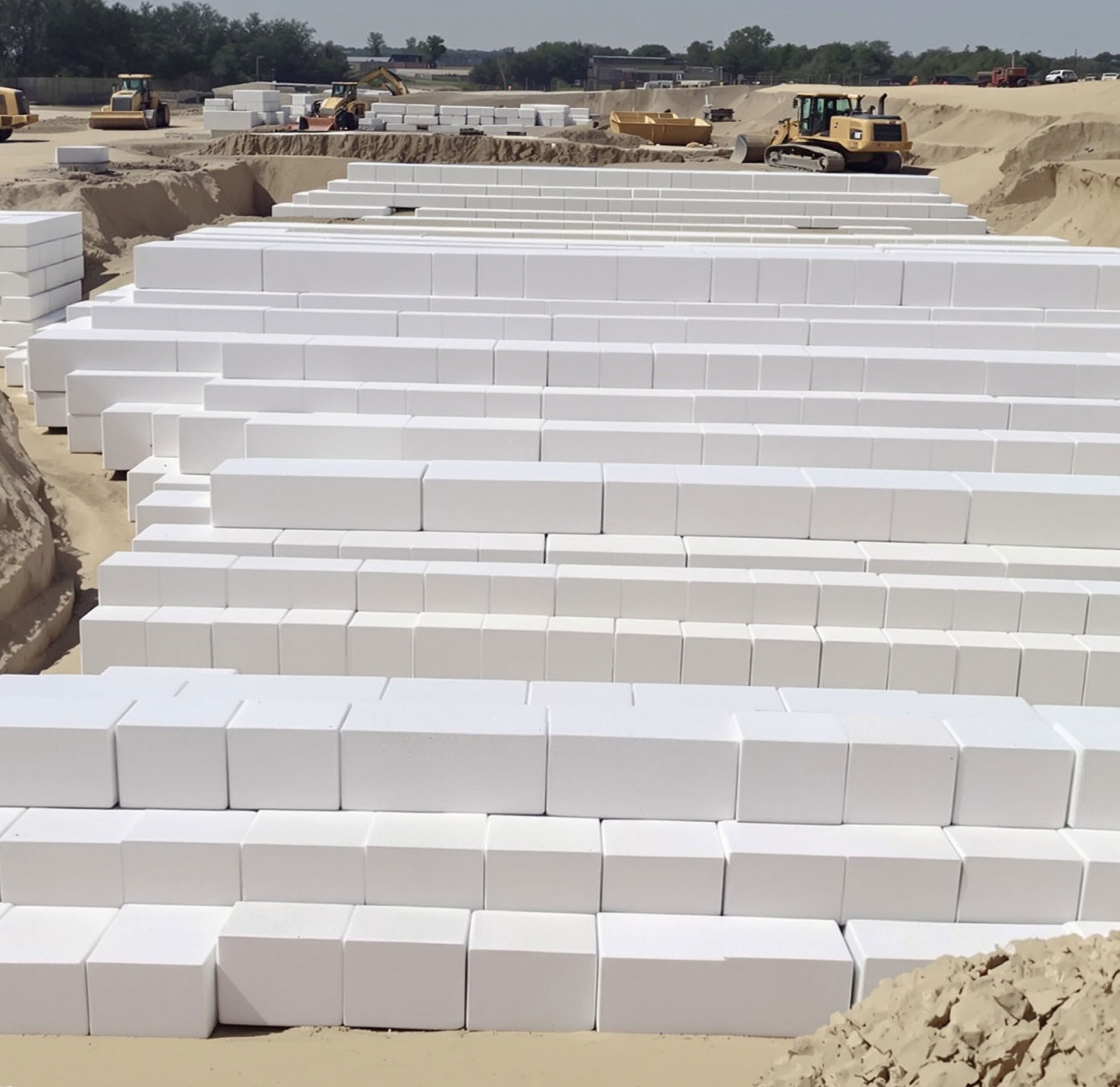
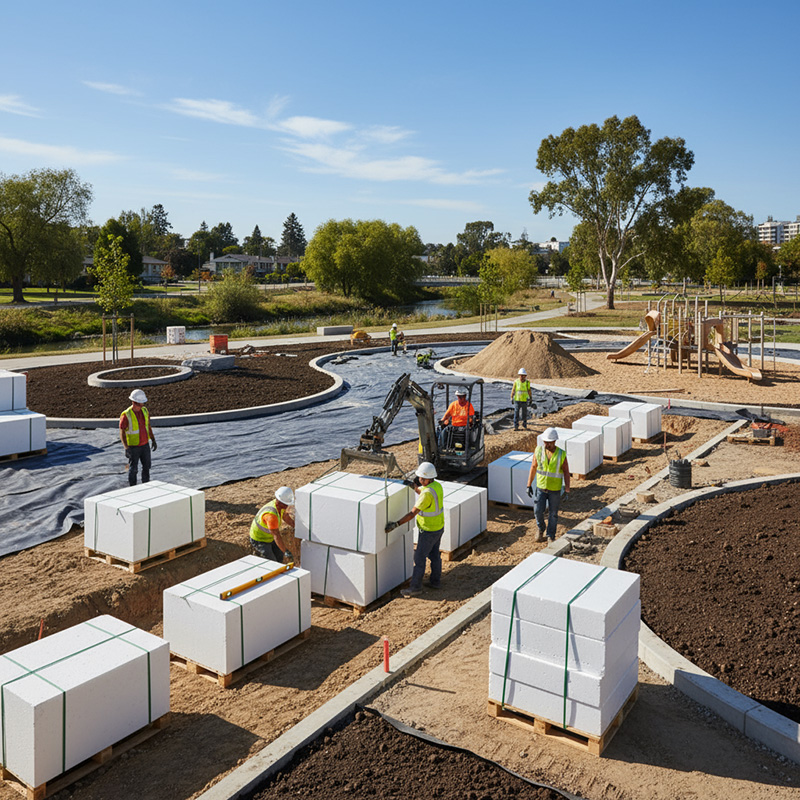
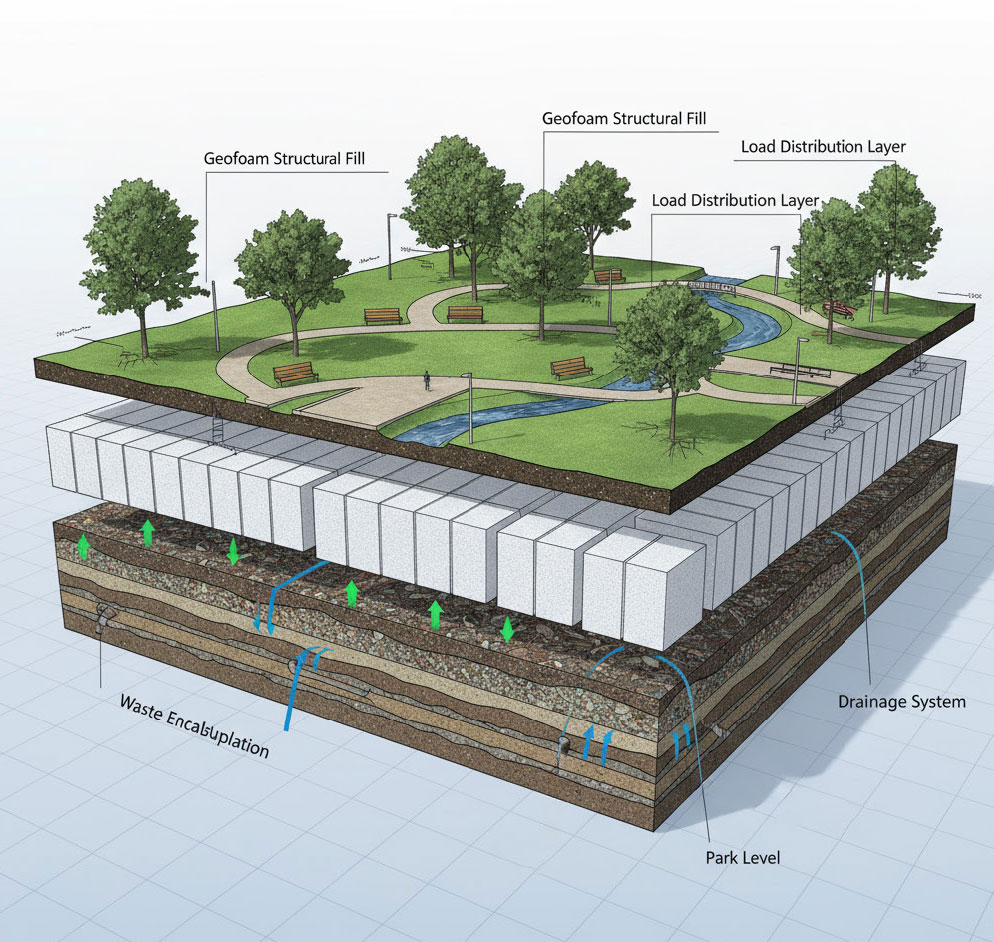
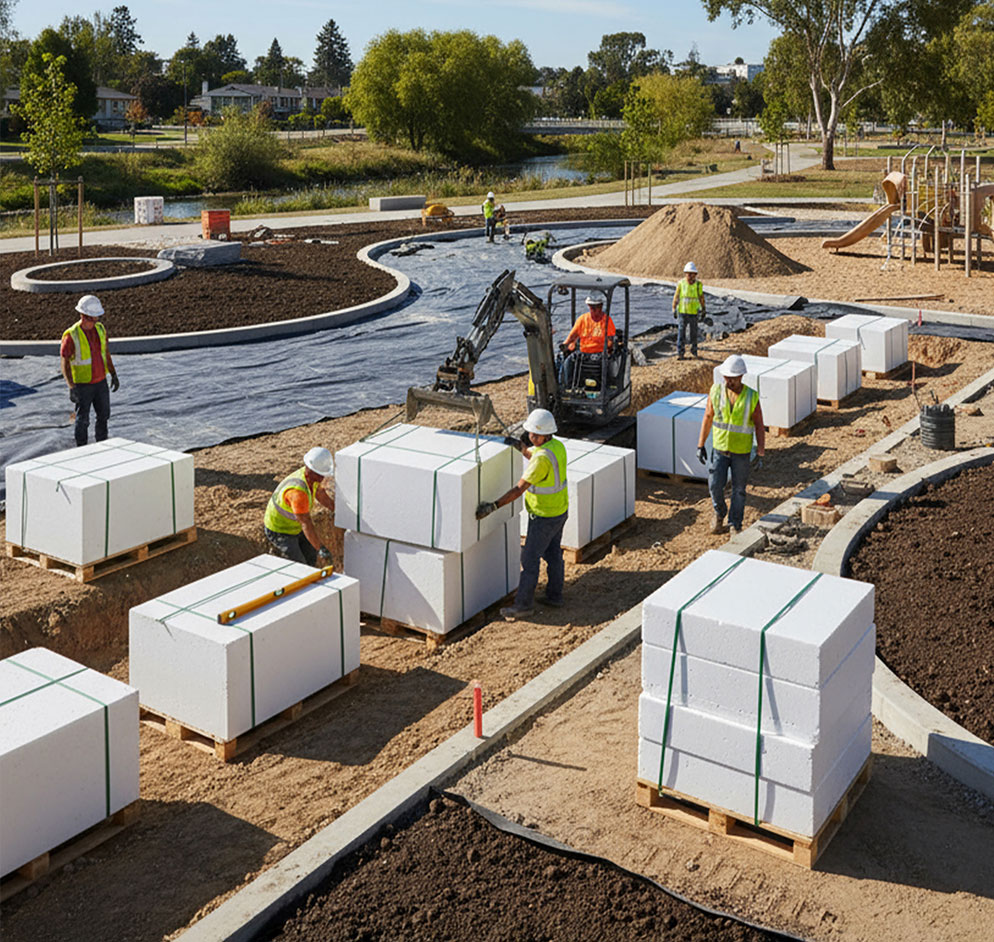
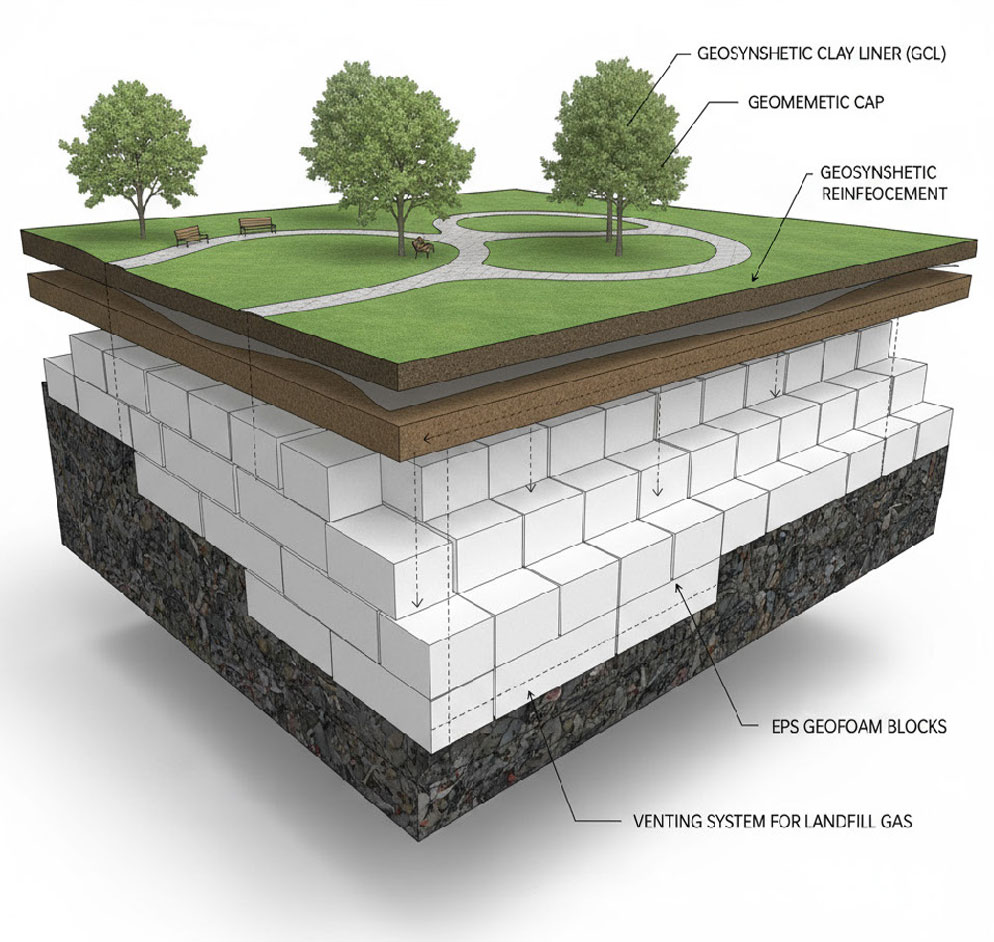
Parks, Public Spaces, & Landfill Capping
For landscaping, recreation areas, and landfill projects, Geofoam offers a stable and environmentally friendly solution. It creates usable surfaces, reduces settlement, and provides long-term durability for public infrastructure.
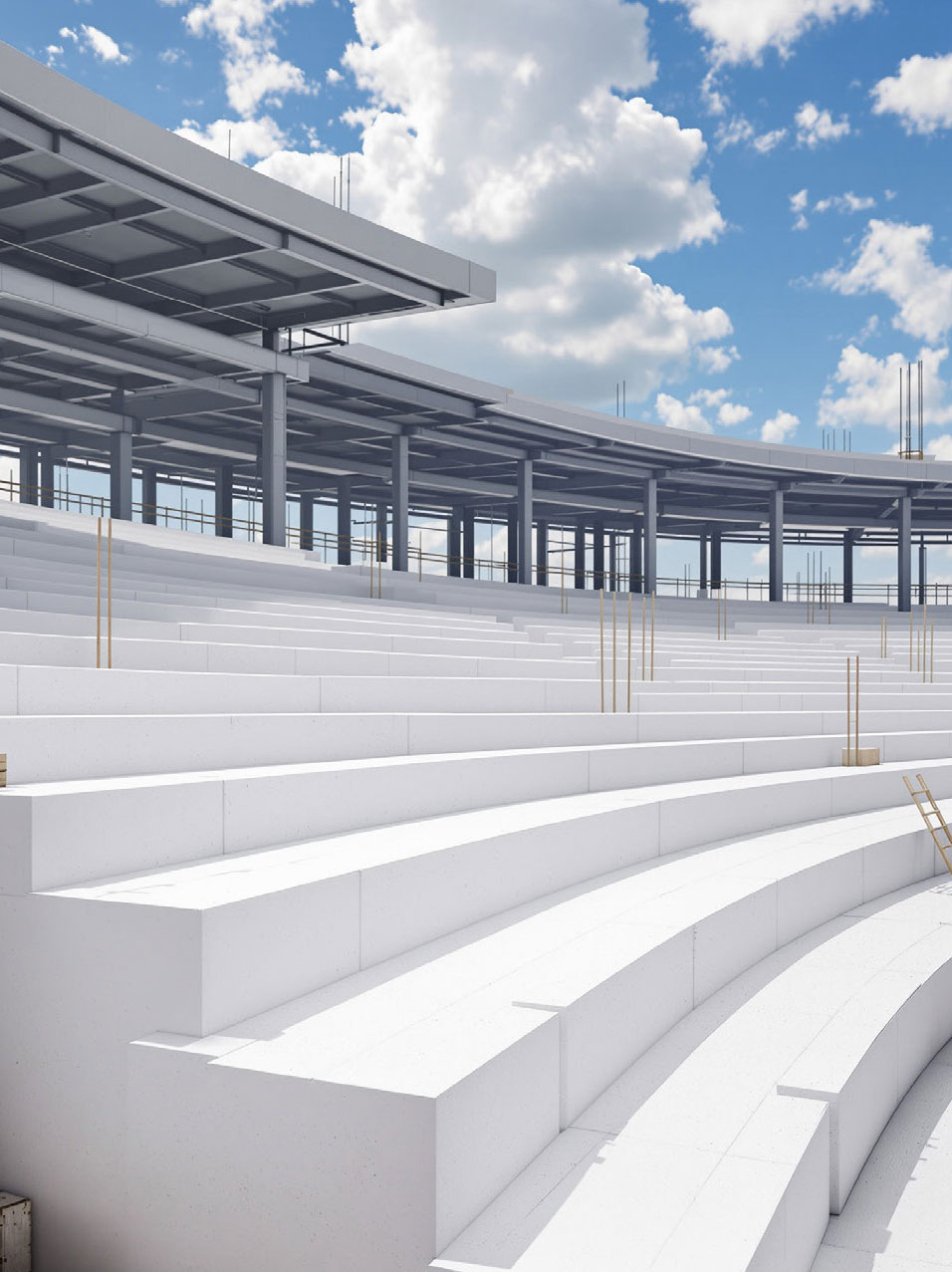
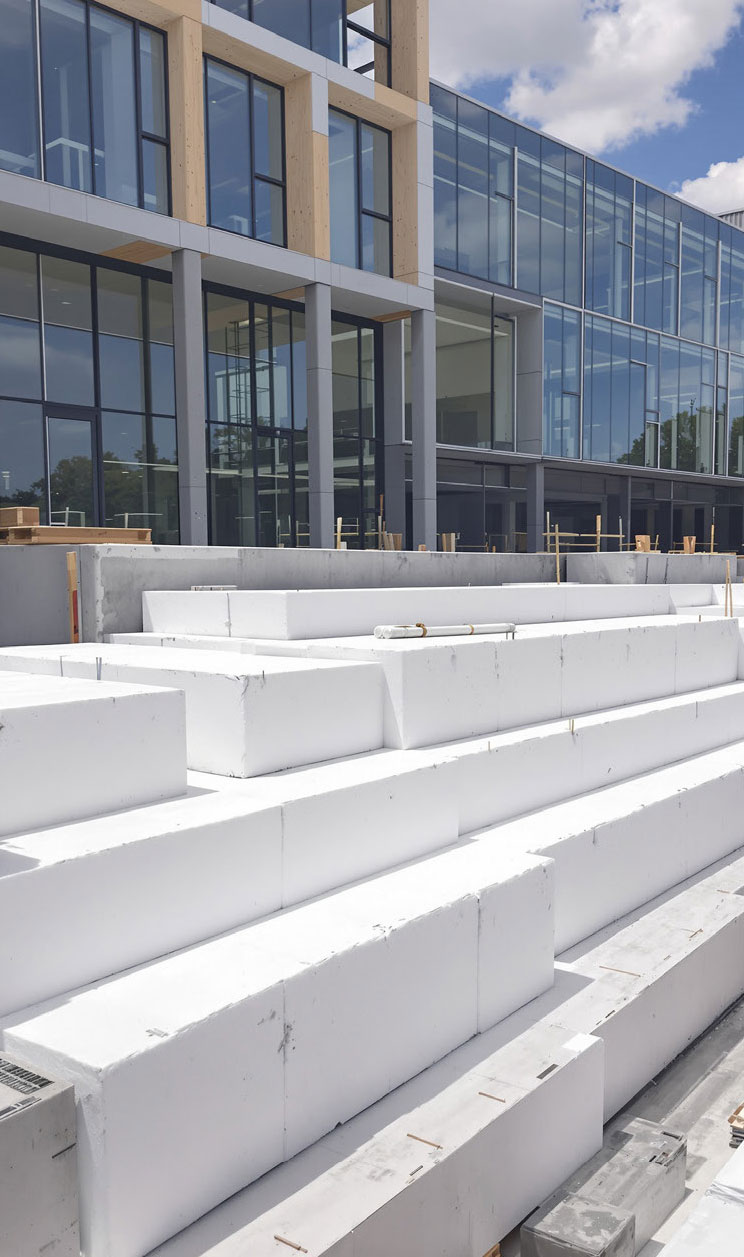
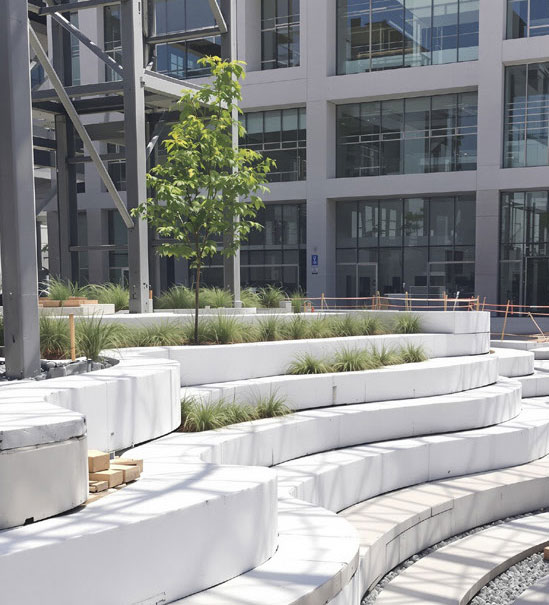
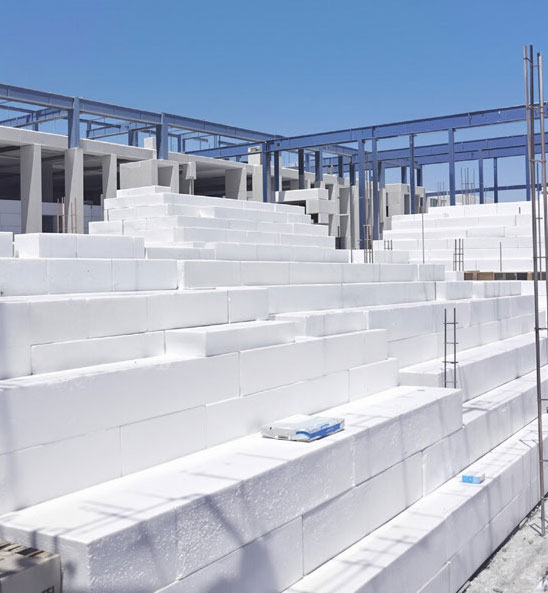
Plaza decks & Stadium Seating Platforms
Geofoam’s strength-to-weight ratio makes it an excellent choice for elevated structures. It provides stable support while reducing dead loads, ensuring safety and efficiency in plaza decks, stadium seating, and other elevated applications.
Services
My Mission is to Empower Your Life
My Mission is to Empower Your Life
Transform your life and achieve your goals with professional and personalized support.

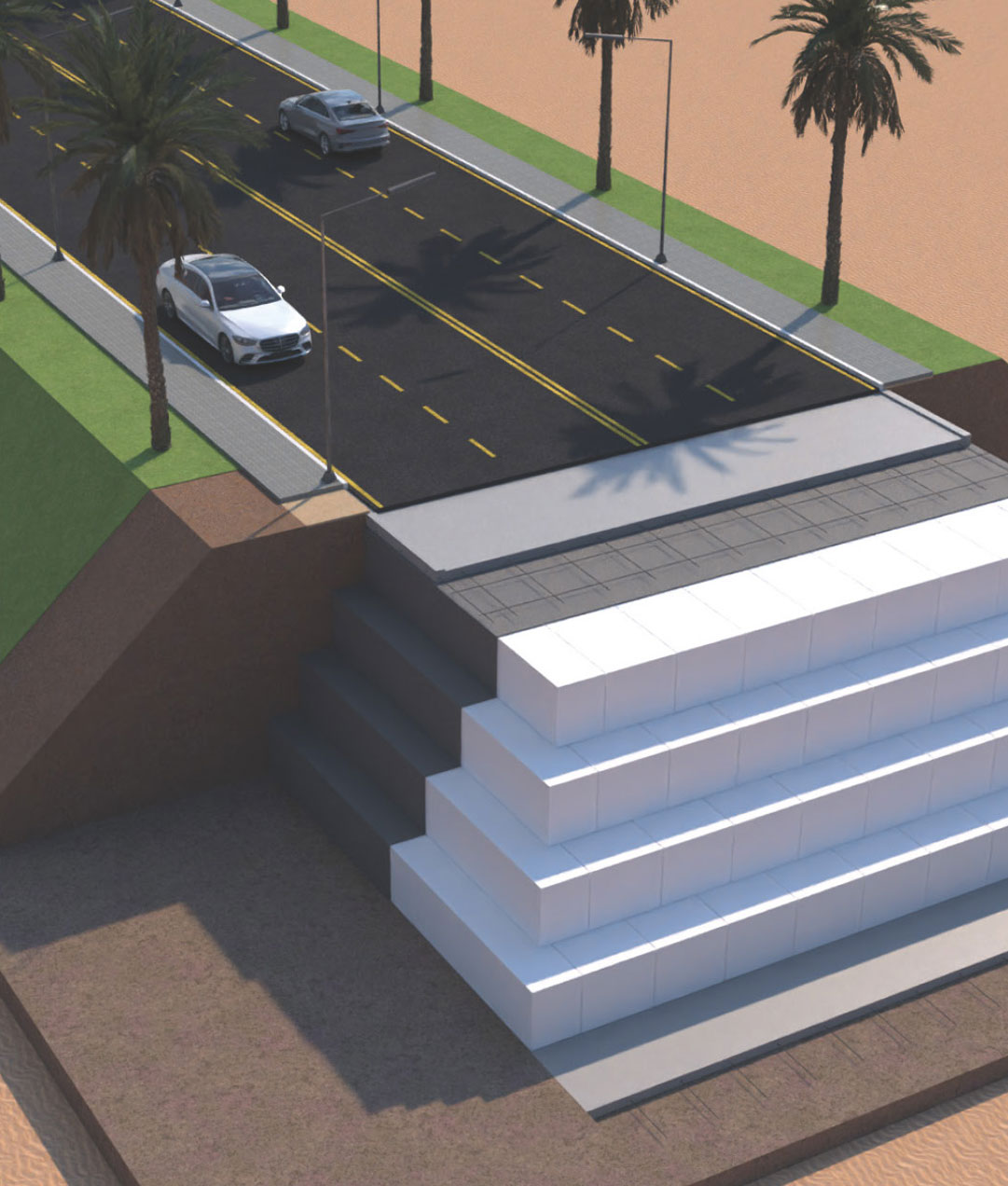
Lightweight road construction
By replacing traditional soil or aggregate fills, Geofoam provides a lightweight solution for road embankments and over soft soils. This minimizes settlement, accelerates construction timelines, and ensures lasting durability in roadway projects.


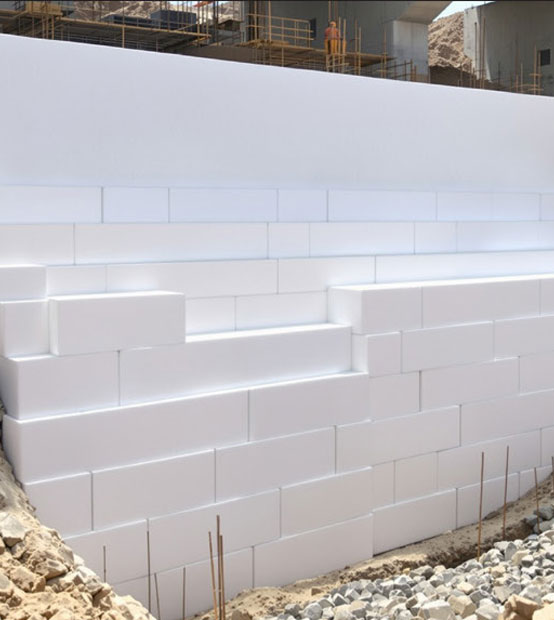
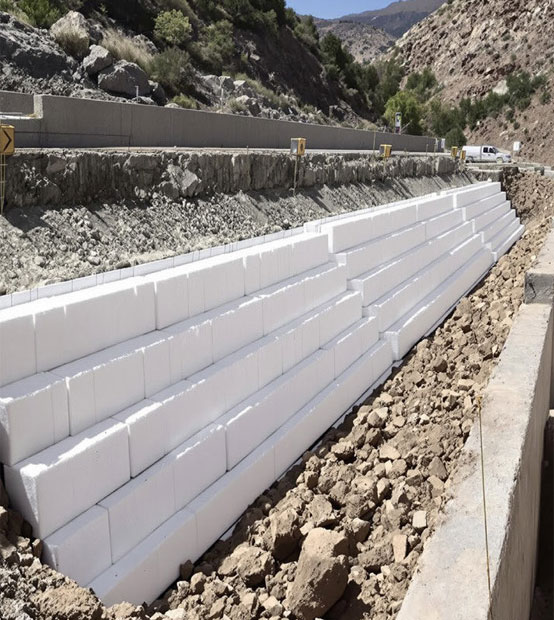
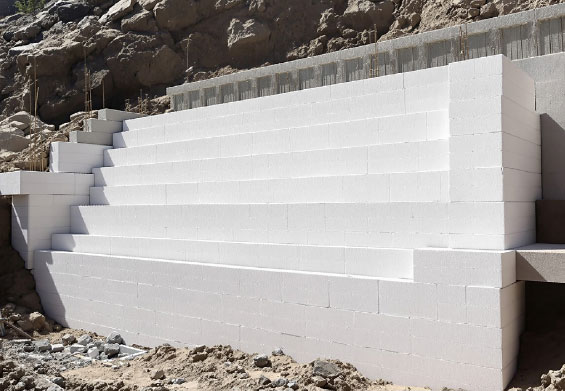
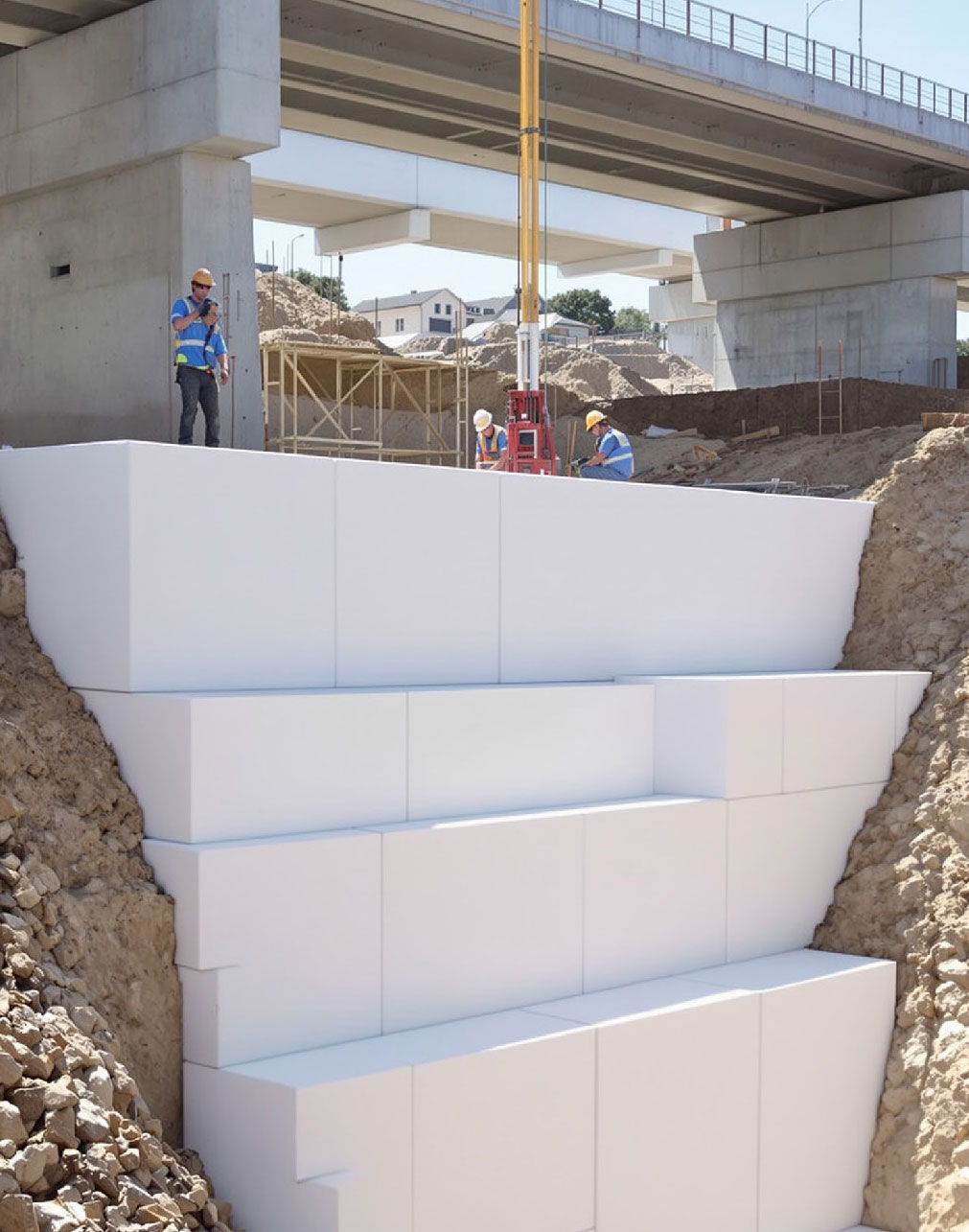
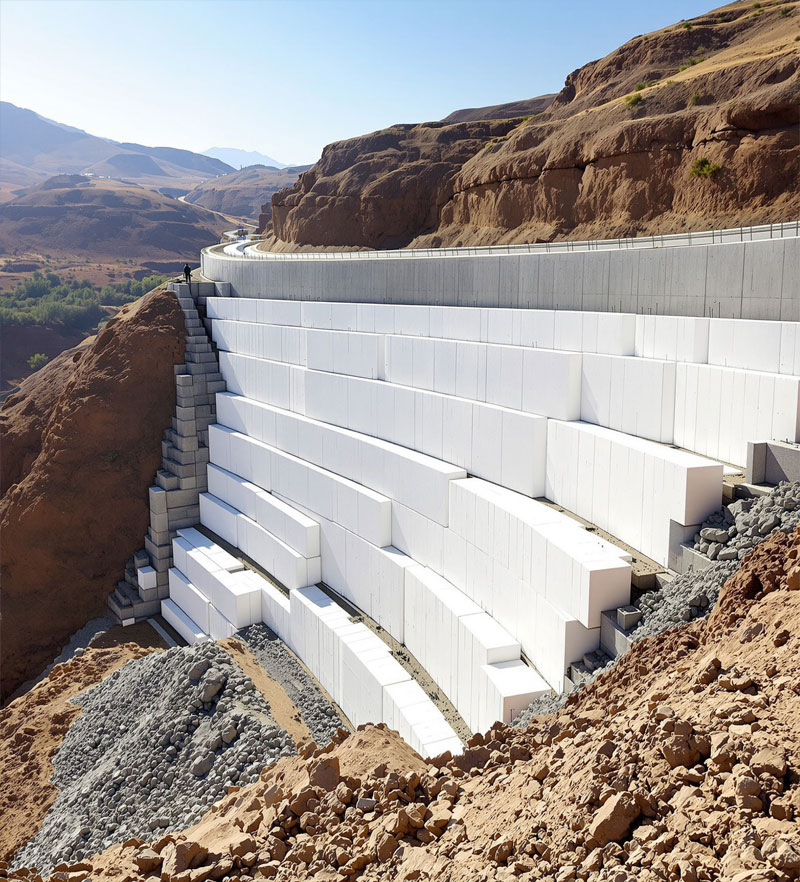
Retaining walls & bridge abutments
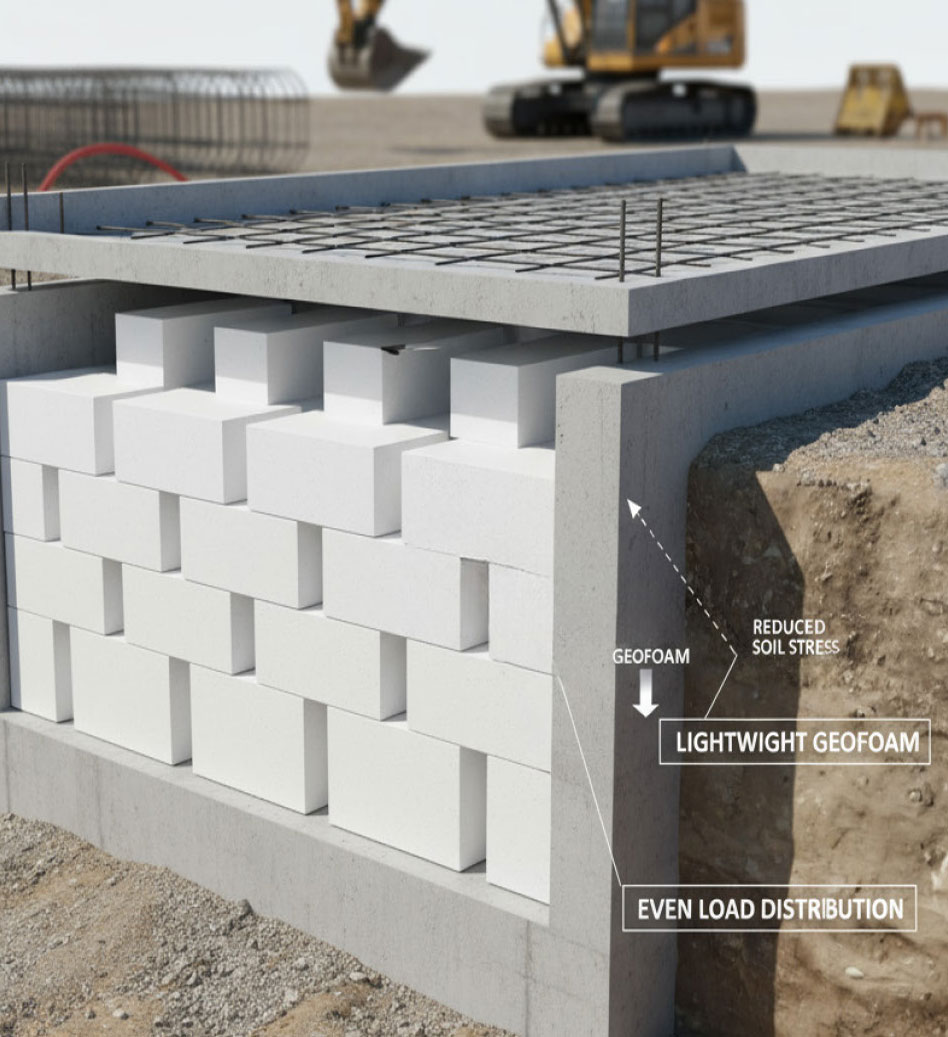
Geofoam significantly reduces lateral earth pressure behind retaining walls and abutments. Its lightweight nature lowers structural loads, minimizing the need for massive reinforcement while enhancing long-term stability and performance.
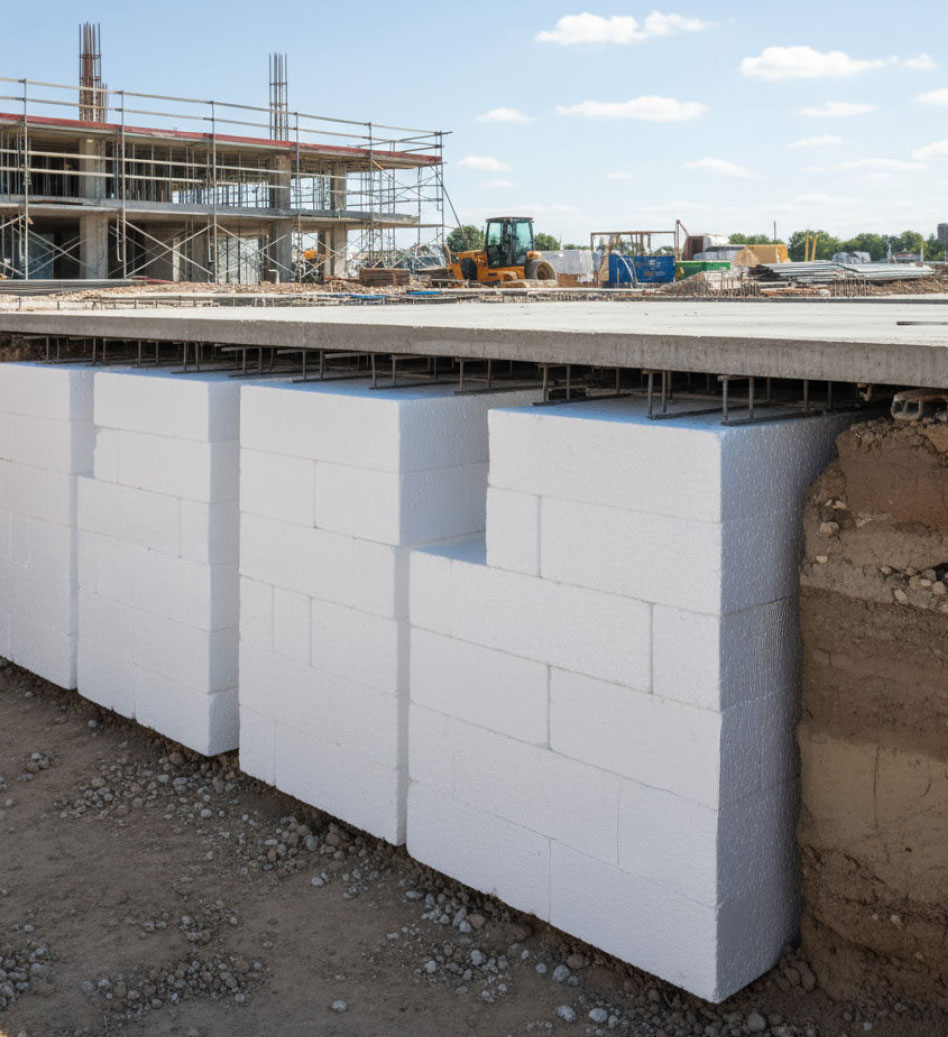
Foundation fill & building slabs
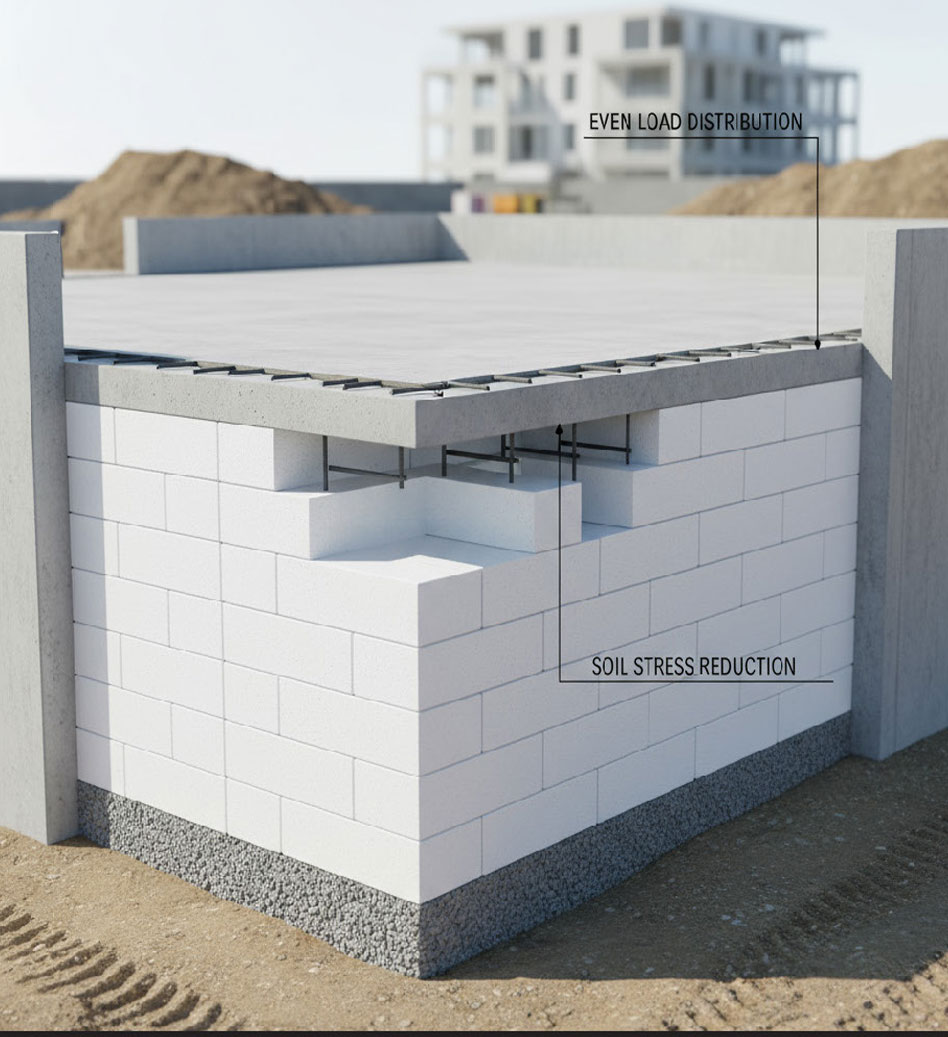
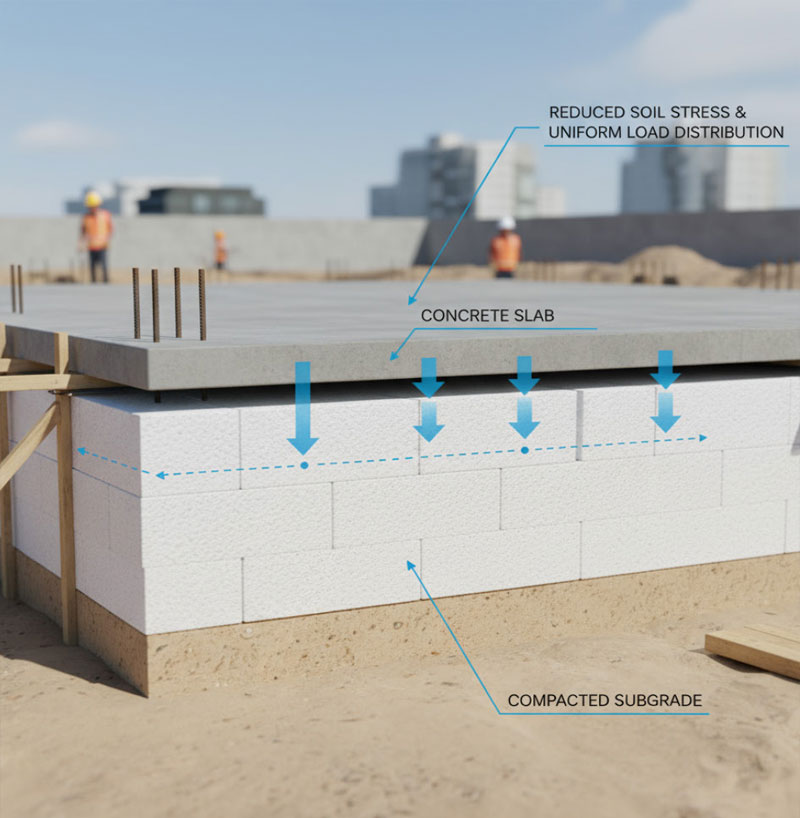
Used as a lightweight fill under foundations and slabs, Geofoam reduces stress on underlying soils and distributes loads evenly. It helps control settlement, increases design flexibility, and simplifies construction.
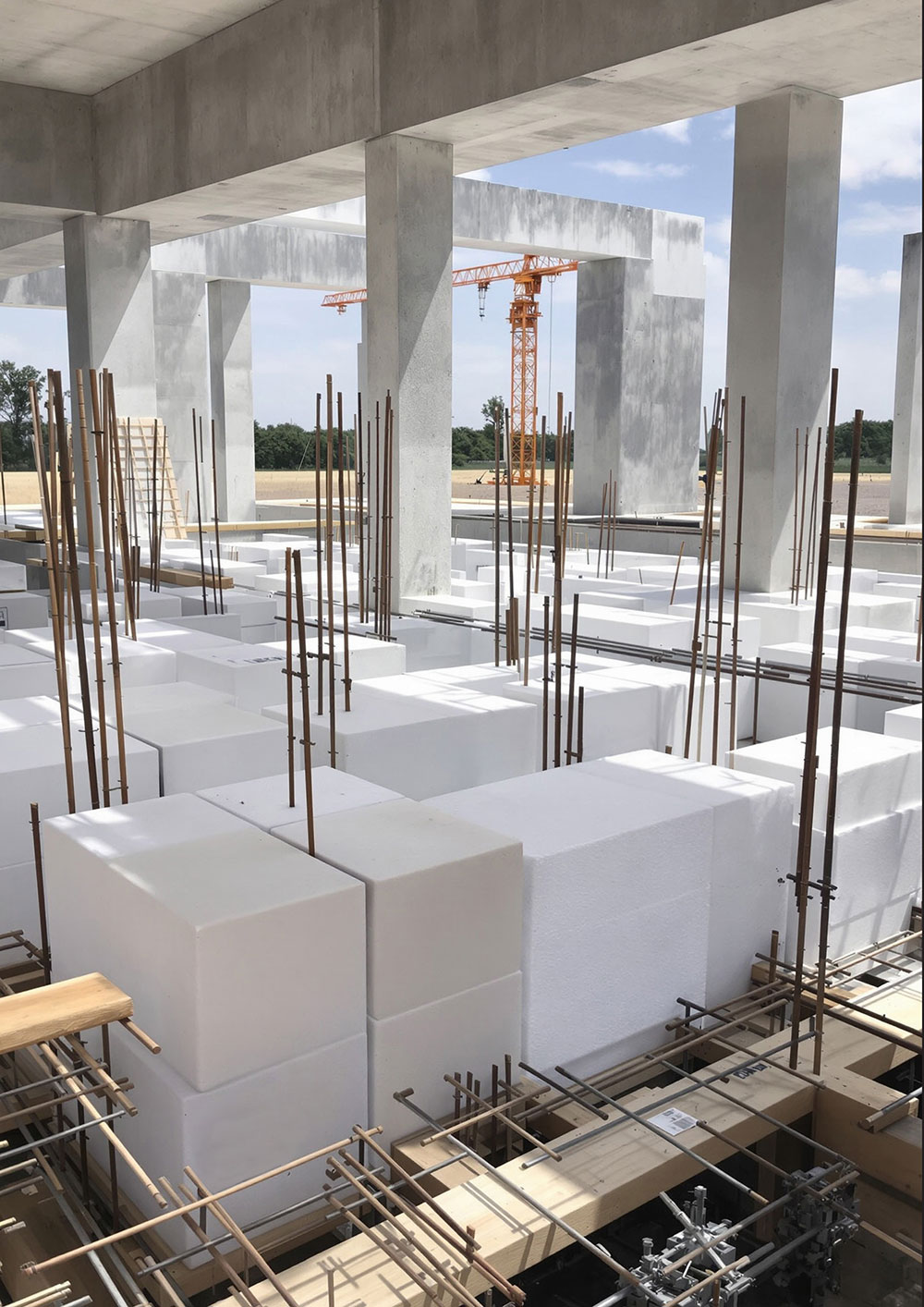
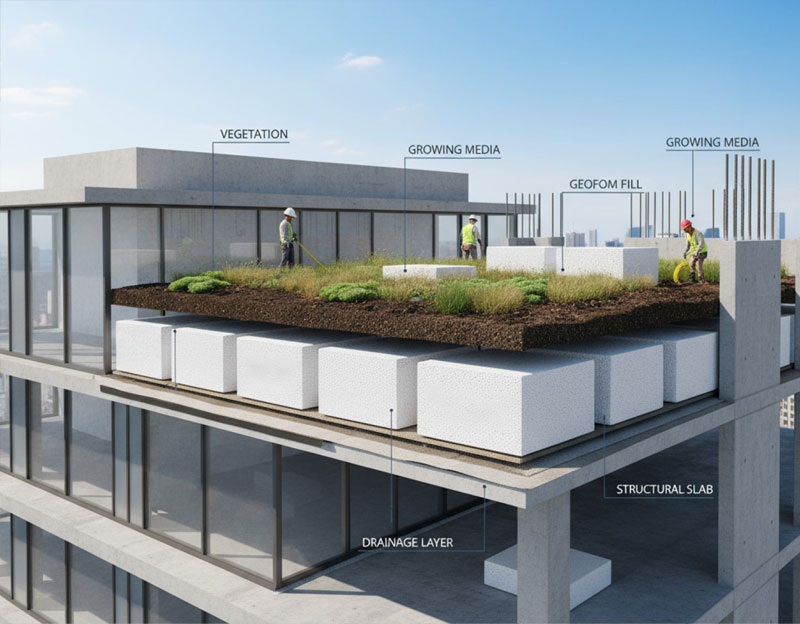
Green roof systems and building infill
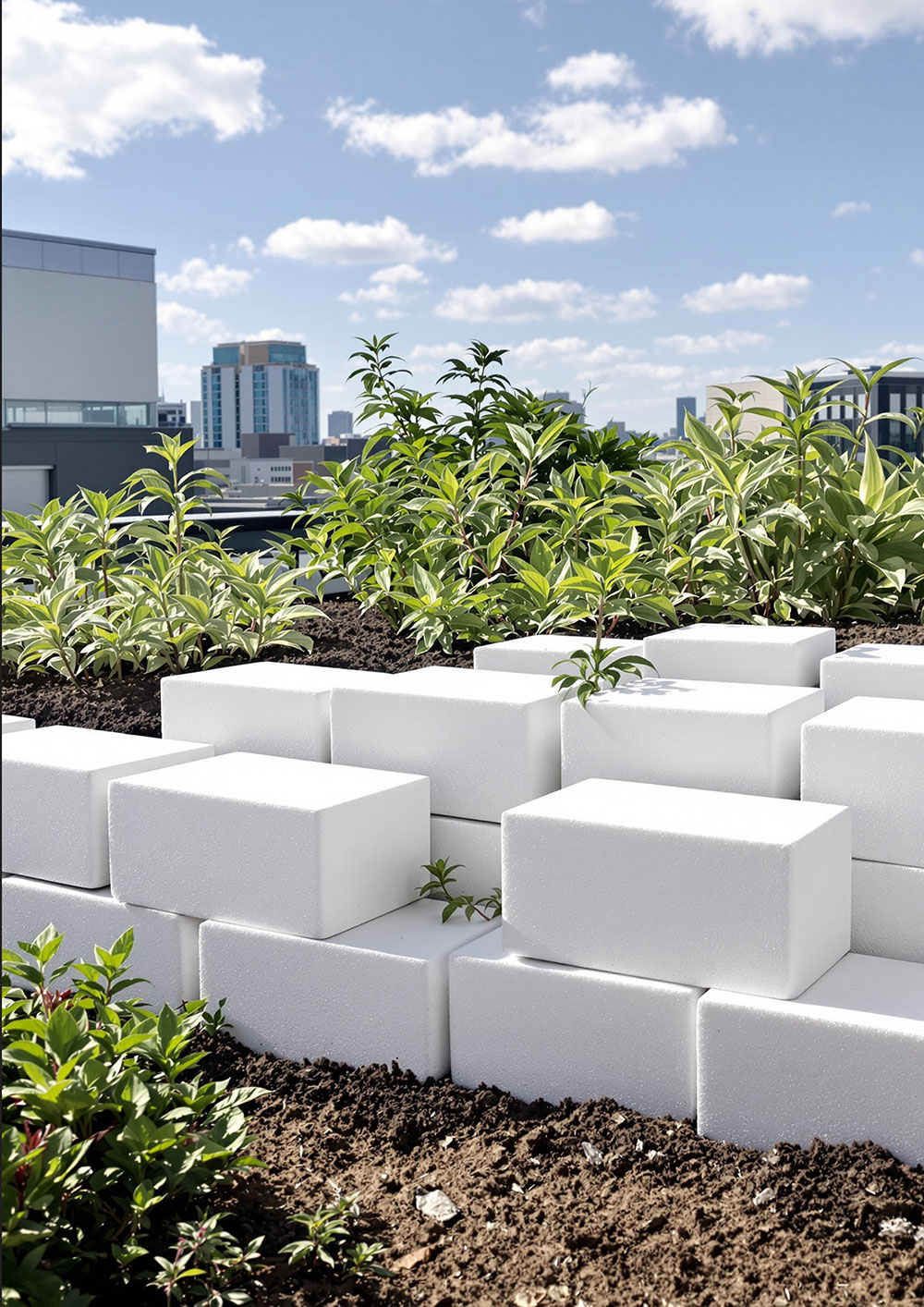
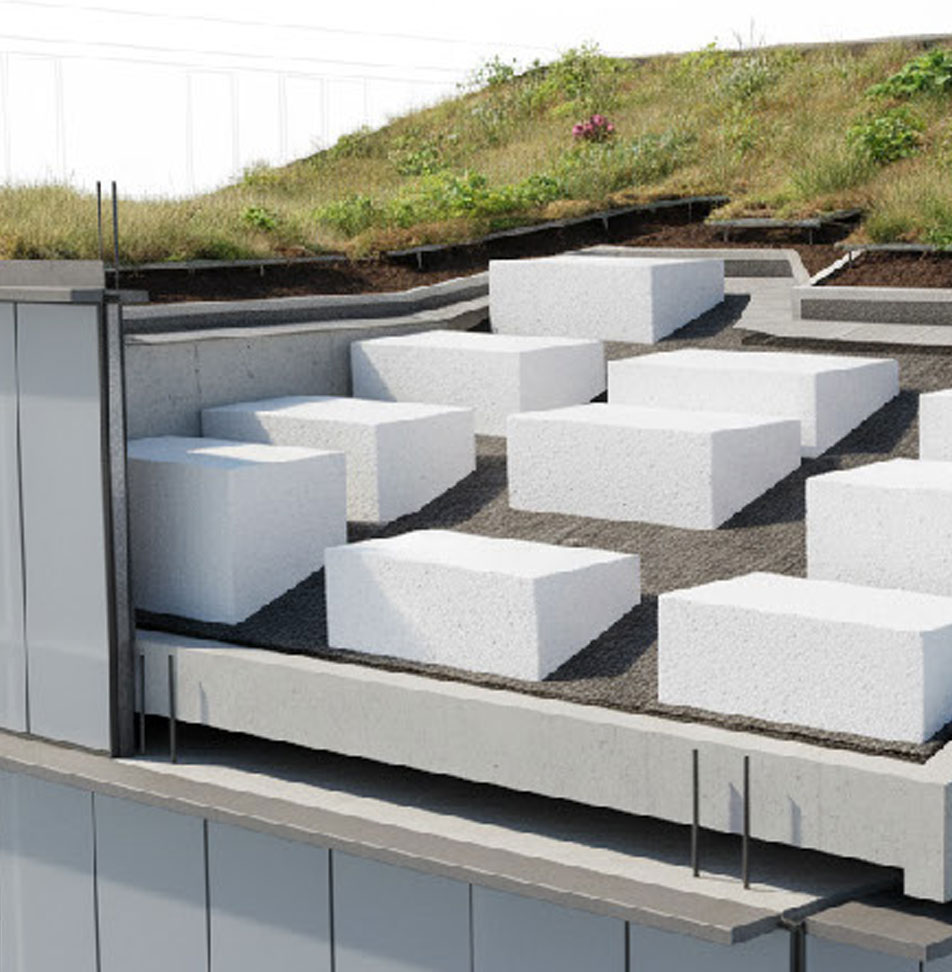
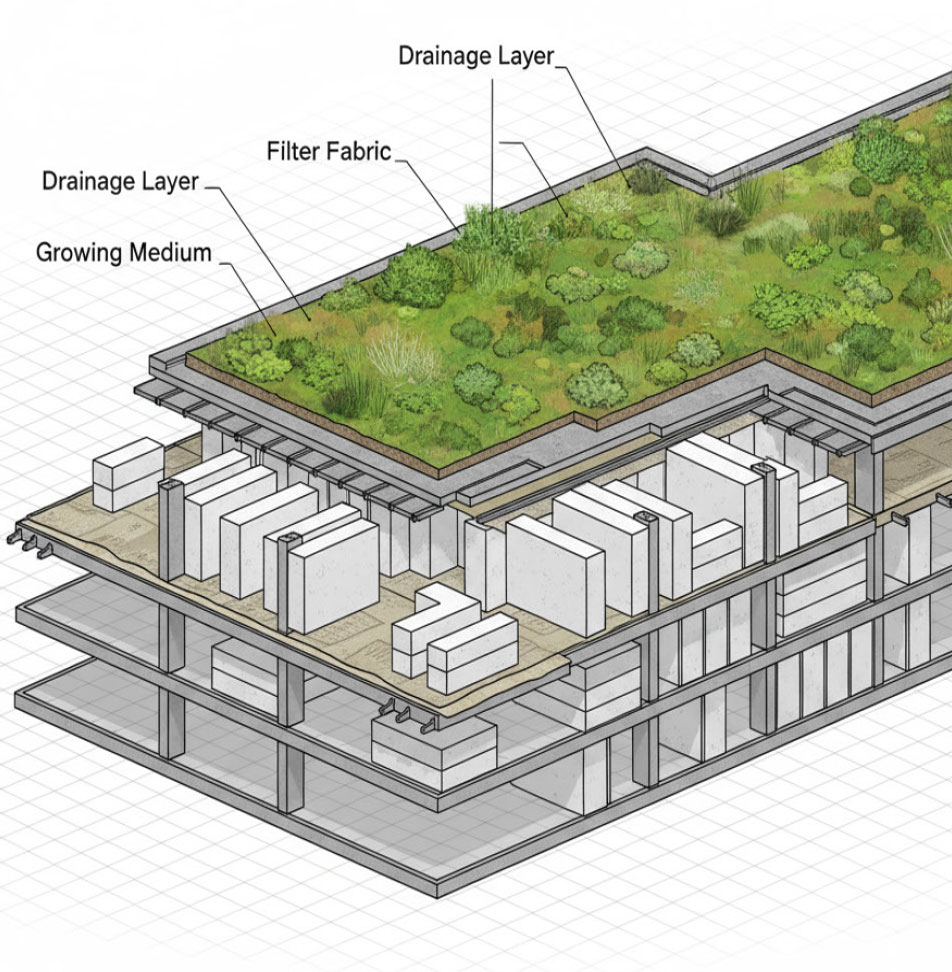
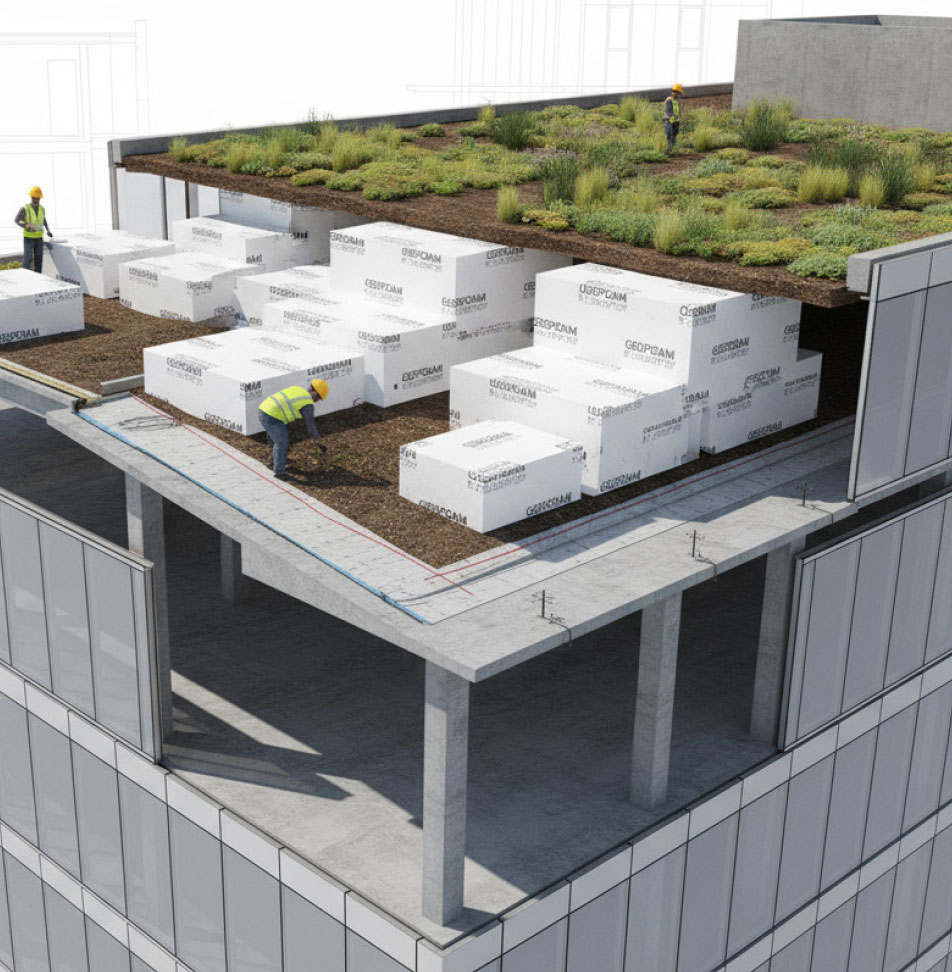
Geofoam provides a lightweight, reliable base for green roof systems and infill applications. It reduces structural loads while creating space for soil, landscaping, and vegetation, supporting sustainable building practices.
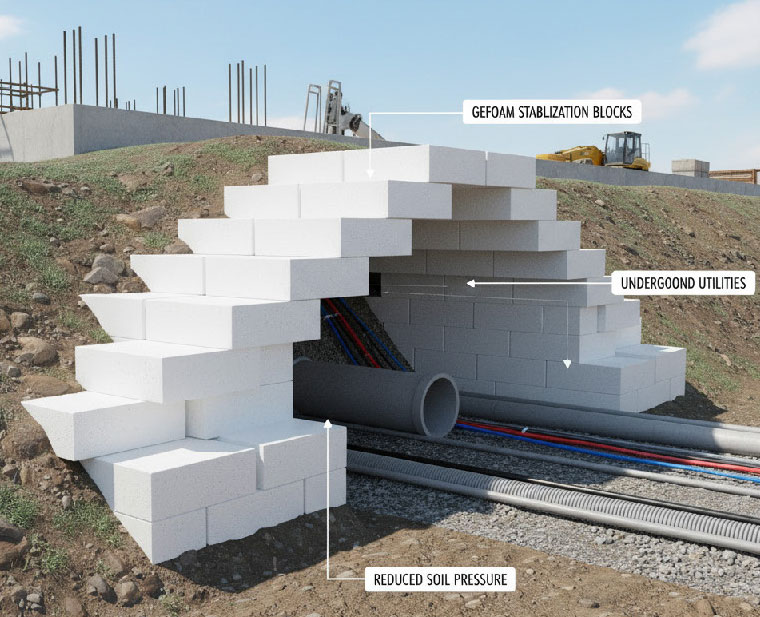
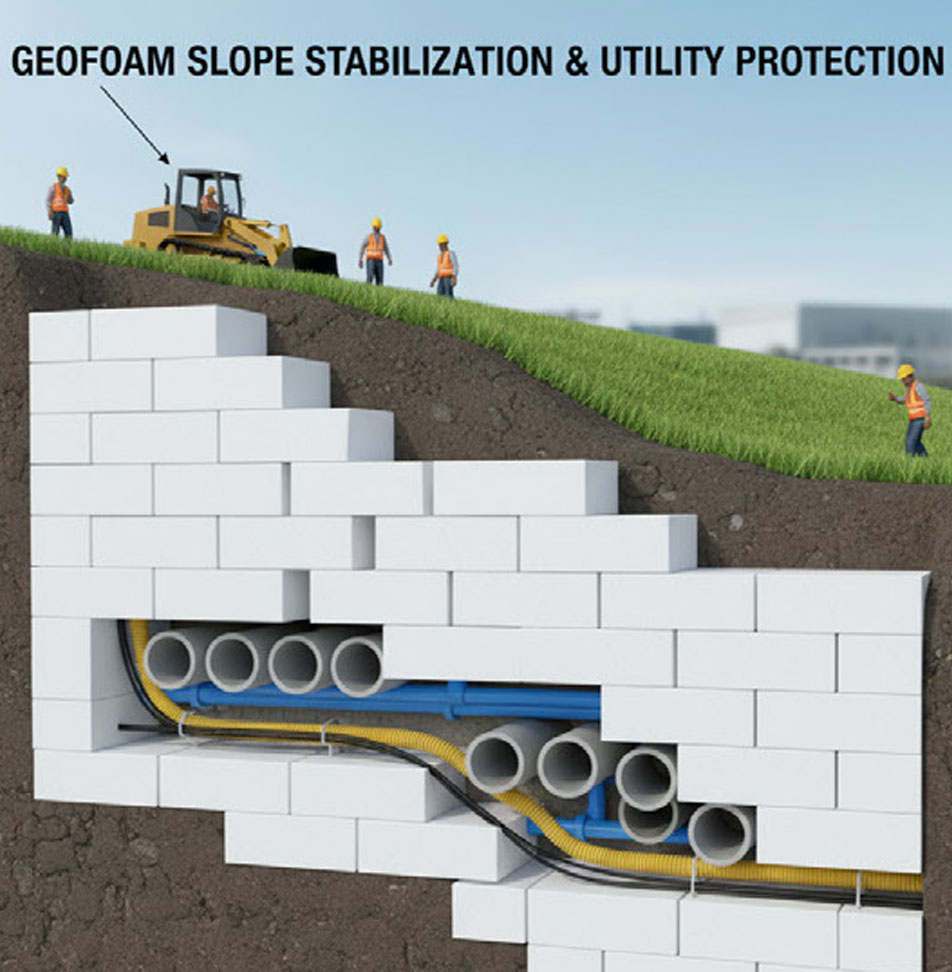
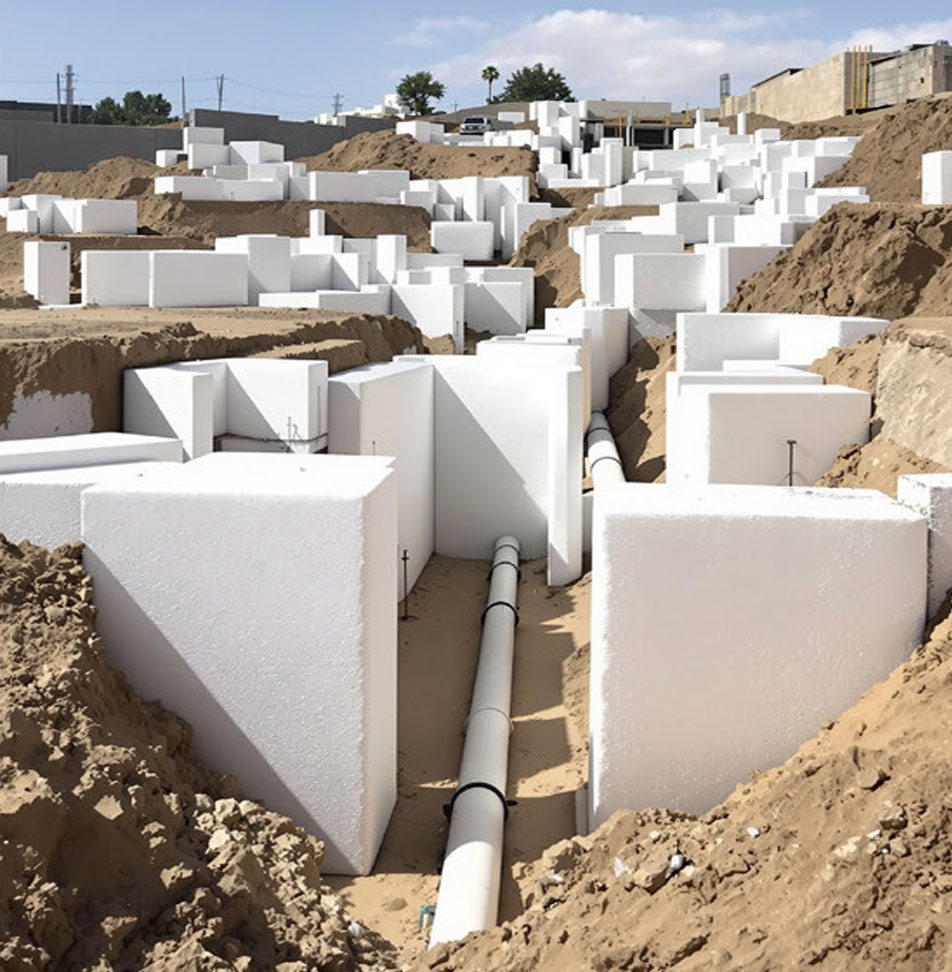
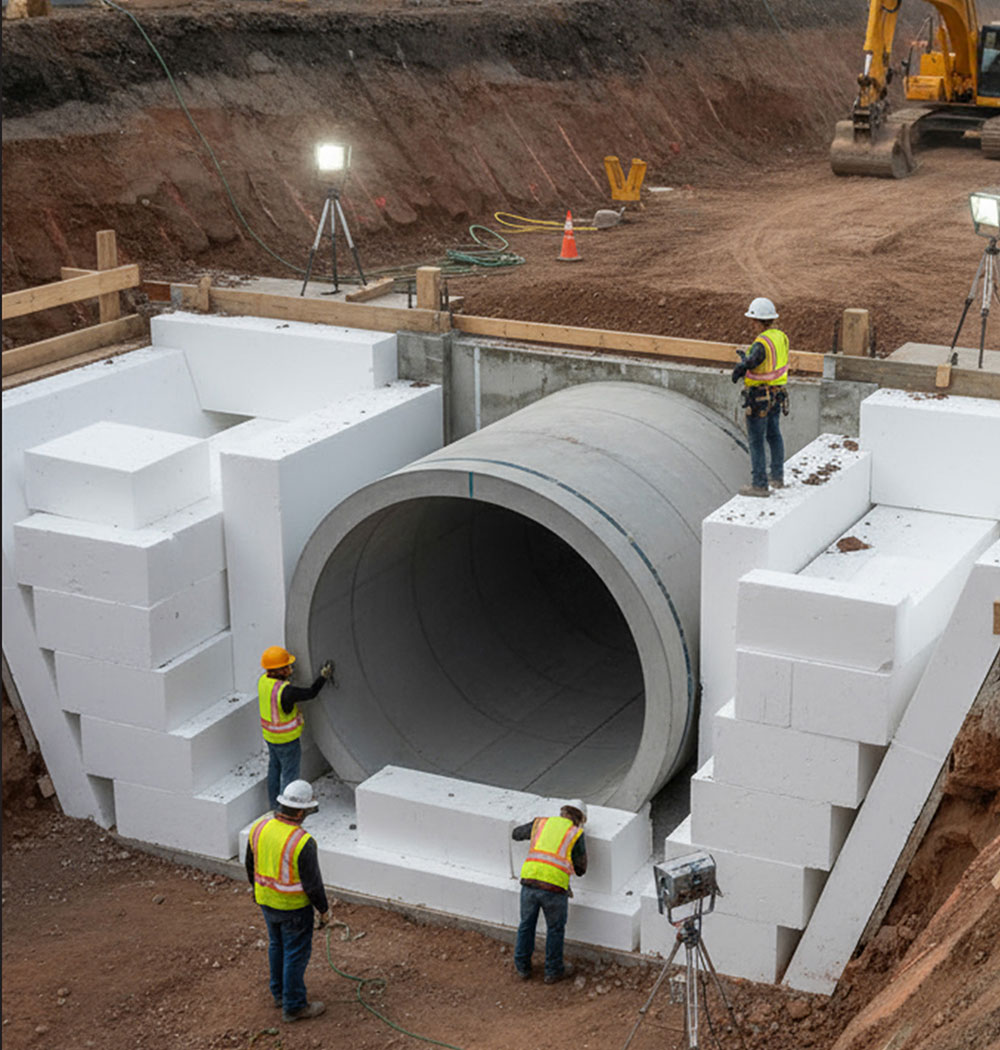
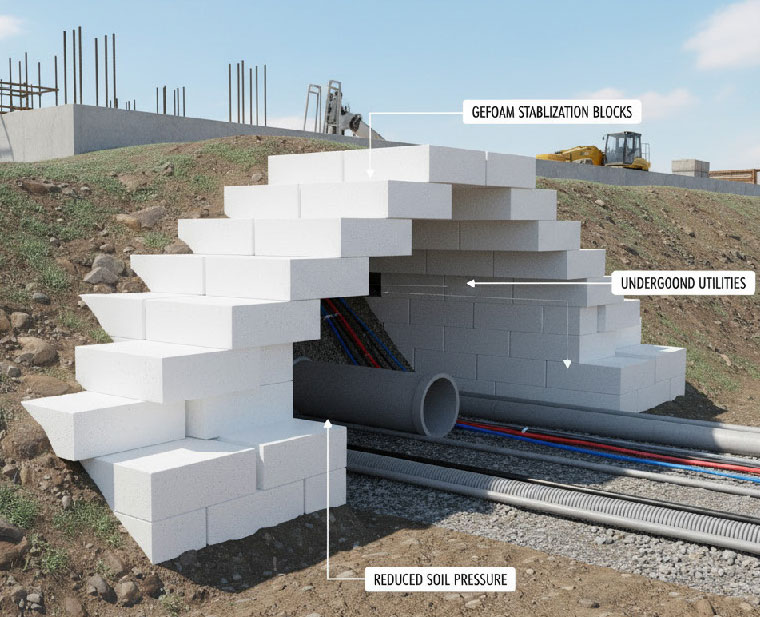
Utility protection & slope stabilization
Geofoam shields underground utilities from heavy loads and external forces, ensuring long-term protection. Its use in slope stabilization prevents soil movement, reduces failure risks, and maintains slope integrity even in challenging conditions.